Engagement
From opportunity to execution.
What happens at each stage, and what you hold at the end of it.
What happens at each stage?
Six stages, each with a result.
Six stages, from identifying where AI and modernization create value to the operating model that sustains the result.
Opportunity identification
Leadership workshops that examine your workflows, market position, and the decisions under consideration. We map AI opportunities across workflows, products, and operations, and separate demonstrations from systems that can reach production.
Current-state assessment
An architecture and AI-readiness assessment of your technology stack, data, team, and operating model, with workflow, system, and experience inventories that record what works, what does not, and what must change first.
Target architecture and blueprint
We translate the vision into a concrete reference architecture covering infrastructure, integrations, and the points at which people and AI systems work together, together with the API and integration strategy between your systems.
Roadmap and business case
A sequenced, dependency-aware plan from the current environment to the target architecture. It states the investment required, the decisions that can be deferred, and the metrics that track progress, so that your finance leadership can support the rollout.
Execution and modernization support
Architecture leadership embedded in the engineering team, strangler-pattern migration with parallel-run validation and phased cutovers, and release readiness and go-live oversight.
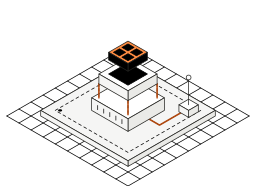
Enablement and operating model
Team structure, ownership boundaries, and the working practices that keep people and AI systems coordinated, with hands-on enablement and knowledge transfer planned for an orderly conclusion.
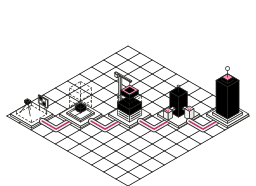
What does each model include?
Each model builds on the last.
Ignite
Accelerate
Elevate
Common questions
Frequently asked questions
Engagement structure, entry points, and pricing. For other questions, contact us directly.
Submit a questionHow does reStrategy differ from a traditional consultancy?
Traditional consultancies conclude with recommendations; we conclude with running systems. Practitioner-architects work on the same team that writes the production code, so strategy, architecture, and execution form one continuous engagement.
What does a reStrategy engagement involve?
It begins with an architecture and AI-readiness assessment, identifies the highest-impact opportunities, and concludes with an execution-ready roadmap that includes reference architectures, operating-model changes, and metrics to track progress.
Where does a typical engagement begin?
Most teams begin at Accelerate, where they receive frameworks, architecture, and hands-on enablement rather than a strategy document alone. Ignite suits teams still defining the product. Elevate suits organizations operating in production at enterprise scale.
Can you work alongside our existing engineering team?
Yes. Elevate is designed for this, with embedded CTO-level partnership, governance, and knowledge transfer so that the work continues after the engagement.
Start with the right model.
Tell us where you are today, and we will recommend a model and a first step.